George Catlin
1796–1872 · American · 17 artworks
RealismPortraitureEthnographic documentationRealist depictionUse of light and shadowNarrative composition
artist bio
George Catlin was an American painter, author, and traveler who specialized in portraits of Native Americans in the Old West. He traveled extensively throughout the Americas, documenting the lives, customs, and appearances of numerous tribes, creating a valuable visual record of a rapidly changing culture.
related: Karl Bodmer, Frederic Remington
17 artworks

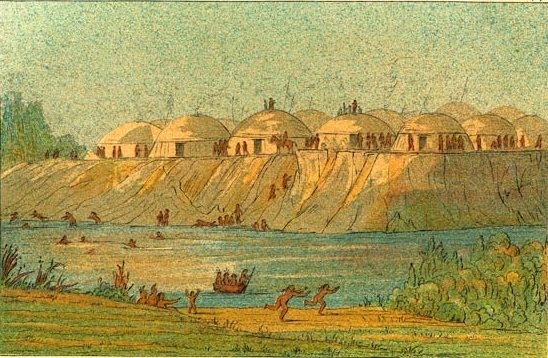
A village of the Hidatsa tribe at Knife River
1832
difficulty

Sioux War Council
difficulty

Co-ee-há-jo, a Seminole Chief
1837
difficulty

Mó-sho-la-túb-bee, He Who Puts Out and Kills, Chief of the Tribe
1834
difficulty

See-non-ty-a, an Iowa Medicine Man
1845
difficulty

Kei-a-gis-gis, a woman of the Plains Ojibwa
1832
difficulty

Buffalo Bull's Back Fat (Stu-mick-o-súcks) Head Chief of the Blood Tribe (Blackfoot)
1832
difficulty

The White Cloud, Head Chief of the Iowa
1845
difficulty

Kút-tee-o-túb-bee, How Did He Kill, a Noted Brave (Choctaw)
1834
difficulty

Ball-play of the Choctaw--Ball Up
1850
difficulty

Osceola, Head Chief, Seminole
1838
difficulty

Sha-kó-ka (mint), a Mandan girl
1832
difficulty

Little Bear, Hunkpapa Brave
1832
difficulty

General Winfield Scott
1835
difficulty

Tul-lock-chísh-ko, Drinks the Juice of the Stone (Choctaw)
1834
difficulty

Hól-te-mál-te-téz-te-néek-ee, Sam Perryman (Creek Chief)
1834
difficulty

Há-tchoo-túc-knee, Snapping Turtle, a Half-breed
1834
difficulty