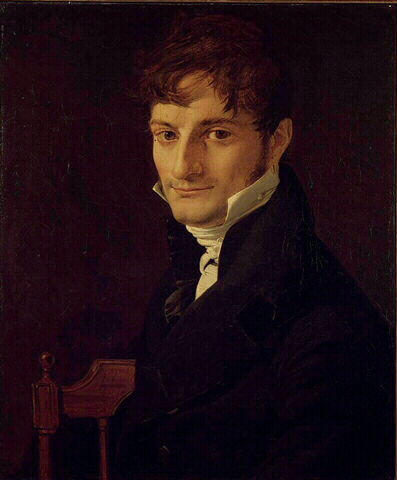
plate no. 7330
Portrait Belvèze
study guide
est. 15 hrsapproach — 8 steps
- step 01
Lightly sketch the basic shapes and proportions of the figure and chair.
- step 02
Establish the background color with a thin wash of dark brown.
- step 03
Block in the main areas of the face, hair, and clothing with basic colors.
- step 04
Begin refining the skin tones, paying attention to highlights and shadows.
- step 05
Add details to the eyes, nose, and mouth, focusing on capturing the likeness.
- step 06
Work on the clothing, creating folds and shadows to give it volume.
- step 07
Refine the background and chair, adding subtle details.
- step 08
Add final highlights and shadows to create a sense of depth and realism.
color palette
primary · ivory black · raw umber · titanium white · yellow ochre
secondary · burnt sienna · cadmium red light
Mix skin tones by blending white, yellow ochre, and a touch of red and umber. Achieve darks by mixing black and umber. Use white to create highlights.
techniques
- ·portraiture
- ·glazing
- ·blending
- ·value studies
- ·chiaroscuro
common pitfalls
- →Getting the proportions wrong in the initial sketch.
- →Overworking the skin tones and losing the subtle variations.
- →Making the darks too flat and lacking depth.
- →Failing to capture the likeness of the subject.
materials
surface · stretched canvas
required
- ·stretched canvas 16x20
- ·ivory black oil paint
- ·raw umber oil paint
- ·titanium white oil paint
- ·yellow ochre oil paint
- ·burnt sienna oil paint
- ·round brushes (sizes 2, 4, 6)
- ·linseed oil
optional
- ·palette knife
- ·medium gloss
- ·painting easel
Use a high-quality canvas for best results. Consider using a medium to thin the paint and improve blending.
tips & new artworks in your inbox
no spam — unsubscribe anytime.
or to save artworks, chat, and track progress
in this vein
related artworks

Portrait of Sculptor Jean-Antoine Houdon working at the bust of Voltaire
Marie-Gabrielle Capet

The Roman antiquities, t. 1, Plate XXXI. Temple of Antonius and Faustina.
Giovanni Battista Piranesi

Portrait of Louis d'Orleans
Franz Xaver Winterhalter

Rooftops in the shadows
Pierre-Henri de Valenciennes

The Schmadribach Falls
Joseph Anton Koch

A Scene from 'As You Like It' by William Shakespeare
William Hamilton

Portrait of Klementyna Ostrowska Née Sanguszko
Vincenzo Camuccini

Self-Portrait
Anton Raphael Mengs