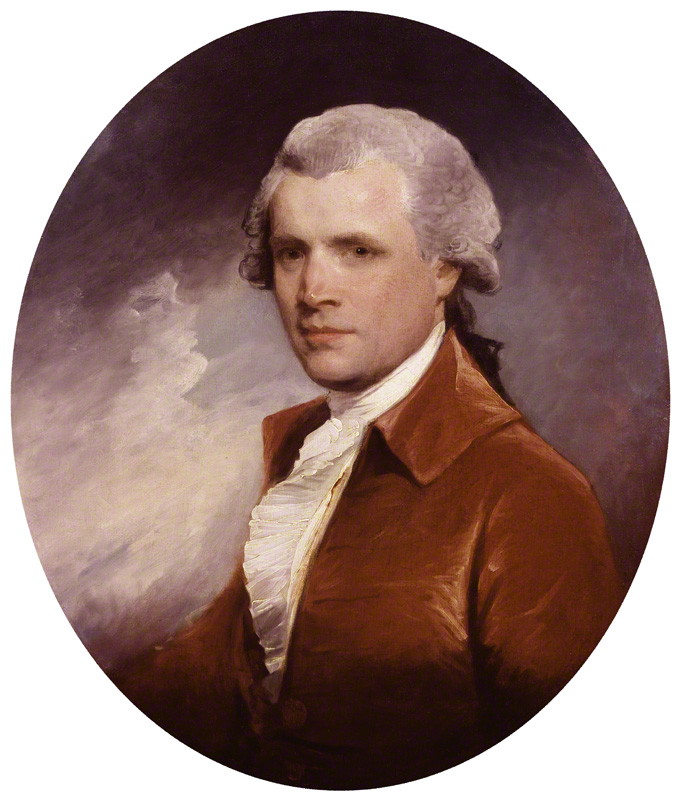
plate no. 1717
John Singleton Copley
Gilbert Stuart, 1784
study guide
est. 15 hrsapproach — 8 steps
- step 01
Create a light sketch of the oval composition and the figure's basic proportions.
- step 02
Block in the background with broad strokes of muted purples and browns.
- step 03
Establish the main shapes of the face, hair, and clothing with thin washes of color.
- step 04
Begin building up the skin tones with layers of blended colors, paying attention to highlights and shadows.
- step 05
Refine the details of the face, including the eyes, nose, and mouth.
- step 06
Paint the clothing, focusing on the folds and textures of the fabric.
- step 07
Add highlights to the hair and clothing to create a sense of light and dimension.
- step 08
Make final adjustments to the values and colors to achieve a realistic and harmonious portrait.
color palette
primary · titanium white · burnt umber · cadmium red · yellow ochre
secondary · ultramarine blue · ivory black
Mix skin tones by blending white, yellow ochre, cadmium red, and a touch of burnt umber. Use ultramarine blue and burnt umber to create muted purples and browns for the background.
techniques
- ·blending
- ·glazing
- ·scumbling
- ·value studies
- ·portraiture
common pitfalls
- →Overmixing colors, resulting in muddy tones.
- →Failing to establish accurate proportions in the initial sketch.
- →Ignoring subtle value changes in the skin tones.
- →Getting lost in details before establishing the overall form.
- →Using too much paint, obscuring the underlayers.
materials
surface · stretched canvas
required
- ·stretched canvas
- ·oil paints
- ·palette
- ·linseed oil
- ·turpentine
- ·assorted brushes (round and flat)
- ·palette knife
optional
- ·medium gloss
- ·painting easel
- ·mahl stick
Use high-quality oil paints for best results. Allow each layer to dry before applying the next.
tips & new artworks in your inbox
no spam — unsubscribe anytime.
or to save artworks, chat, and track progress
in this vein
related artworks

Louis XV, King of France
Charles-Andre van Loo (Carle van Loo)

William James
Joshua Reynolds

Wooded Landscape with Gypsies, Evening
George Lambert

Head of a Scholar
Giovanni Domenico Tiepolo

Gentleman and Wife
William Williams

Portrait of Antoine Watteau
Rosalba Carriera

Portrait of Henriette of France, daughter of Louis XV
Jean-Étienne Liotard

Mr. John Williams
Benjamin West